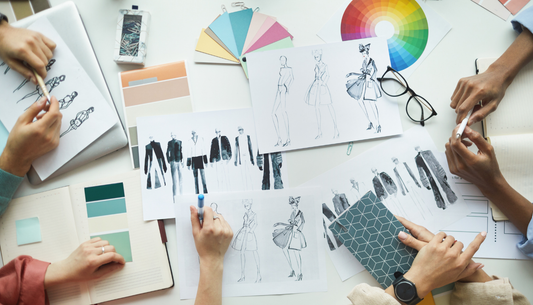

How Do Real-time Visualizations on Virtual Models Saves Time for Women's Clothing Brands?
For years, launching women's clothing has relied on old-school photography. This means renting studios, hiring big crews, booking models, and planning for weeks. Even a small change can lead to retakes, new styles, and more edits.
This slow process delays when new clothes hit the market. U.S. shoppers want fresh styles and quick restocks.

Now, using virtual models changes how we make images. Brands can create new visuals in hours with 3D rendering and AI. This way, teams can see options side by side and fix issues early.
Virtual models are like digital humans. They look real, move like people, and show how fabrics behave. This means dresses can be checked before making a single piece of fabric.
Designing dresses gets faster with virtual models. Silhouettes, colors, and details can be checked sooner. This makes the design process smoother.
For custom women's clothing suppliers, being fast is key. When everyone sees the same designs, approvals come faster. This leads to quicker launches, cleaner collections, and fewer changes. All without losing the brand's look.
Why real-time visualization on virtual models is changing women’s apparel time-to-market
Women’s brands used to wait on studio calendars to see how a style truly reads on camera. Now, with real-time visualization on virtual models, teams can review fit, drape, and styling cues earlier. This tightens apparel time-to-market and keeps decisions moving.
This shift also supports accelerating collection approval process. Stakeholders see the same image updates at once. This shared view helps prevent the design approval bottleneck that often shows up between design, merchandising, and sales.

From studio logistics to software workflows: how AI model photography reduces coordination time
A traditional shoot can mean booking talent, holding samples, shipping racks, and hoping weather and lighting cooperate. After that comes retouching, feedback, and more rounds of edits. Each step adds days that don’t show up on the line plan, but slow approvals.
With ai fashion demo technology, the workflow becomes more like a controlled studio inside software. Lighting setups, camera angles, poses, and fabric flow can be simulated fast, then adjusted without new bookings or long retouching queues.
Speed & scale advantages: generating many outfit combinations without reshoots
Digital imagery makes it easier to build volume without multiplying costs. Brands can generate hundreds of outfit combinations for ecommerce PDPs, lookbooks, social posts, and wholesale dress lines while keeping the visual direction consistent.
- Edit at near pixel precision: swap colorways, refine shadows, adjust pose, or change the scene.
- Reduce back-and-forth by showing options side by side during reviews.
- Shorten approval cycles when sales and product teams can react to the same updated visuals.
Sustainability gains: fewer physical resources and travel emissions compared to traditional shoots
Moving from sets and location days to digital production cuts down on props, printed backdrops, and repeat sample handling. It also avoids travel emissions tied to flights, cars, and freight that come with on-site shoots.
When campaigns need updates, teams can refresh visuals without reprinting materials or rebuilding a set. This lighter footprint supports faster planning while keeping apparel time-to-market steady under tight launch windows.
AI fashion demo technology, Digital garment prototypes supplier
Buyers need quick answers, and AI fashion demo tech gives them that. A Digital garment prototypes supplier shows a model view early. This lets teams check fit, style, and brand look before making a sample.

A digital garment supplier turns data into visuals that look like photos. This keeps everyone on the same page, even when time is tight.
AI fashion demos show garments on a moving body under controlled light. You can change poses and see how fabric moves. This is why many use AI fashion demo tech in their reviews.
The tech works by turning pattern files and fabric scans into 3D garments. These digital patterns can be reviewed many times. This makes it easier to make changes.
Early visuals help in wholesale dress manufacturing. They let buyers check if a collection looks good together. This makes it easier to decide early on, reducing surprises later.
Teams use a 3D pattern library to avoid extra work. It helps standardize designs, making changes faster. This makes it easier to approve updates.
The future of tools will make things even quicker. Sketch-to-image previews and materials simulation will speed up getting visuals ready. With a good 3D pattern library, this helps plan better without spending more on samples.
How Brooklink Collective accelerates the collection approval process for international retailers
For international retailers, getting approvals can be slow due to time zone differences. Brooklink Collective speeds up this process. They use a streamlined model and quick visual proof of design intent. This way, they avoid delays from photo requests or sample shipments.
Global trend inputs from Paris, London, and New York R&D hubs consolidated at an eco-conscious HQ
Brooklink Collective collects trend insights from Paris, London, and New York. These are then brought together at an eco-conscious headquarters. This place focuses on sustainable, high-value apparel for international retailers.
This setup helps align colors, shapes, and details early. Teams can discuss and share clear directions. This makes it easier for buyers to make quick, consistent choices.
Immersive 3D design technology + AI fashion demos for real-time visualization and accurate design assessment
Brooklink Collective uses 3D design tech with AI demos for quick visualization. Buyers can see different angles, lighting, and styles without needing a reshoot. This allows for fast responses.
This method also improves design assessment accuracy. It shows realistic textures and fabric movement. This makes it easier to judge proportions and overall look before starting costly production.
- Faster edit cycles to address retailer notes the same day
- Fewer delays tied to shipping, studio schedules, and time-zone handoffs
- More consistent review standards across teams and regions
Signature categories: poly chiffon dresses and premium jacquard dress production previewed on virtual models
Signature categories like poly chiffon dresses and premium jacquard dresses are shown on virtual models. This lets buyers see how they drape and look before finalizing. It helps teams confirm if they fit the line plan.
For wholesale poly chiffon dresses, the light flow and layering are clear on-screen. For wholesale jacquard dress production, the structure and depth are shown in motion. This supports quicker buy decisions and smoother handoffs to production.
Replacing physical pre-production prototypes with digital garment patterns and virtual material selection
Many women’s brands are changing how they start making clothes. They used to make physical samples, but it took a lot of time and effort. Now, they use digital patterns and 3D models to test ideas faster.
Digital garment creation pipeline: turning pattern files and fabric scans into realistic 3D garments
The digital process starts with pattern files and fabric scans. Then, the garment is built in 3D and dressed on a virtual model. This way, teams can easily compare changes and find problems early.
- Input: graded pattern pieces, seam maps, and fabric references
- Build: assembly, stitch logic, and fit checks on an avatar
- Review: controlled views for design, merchandising, and tech
Virtual material selection via a fabric e-platform: faster approvals on color, hand-feel proxies, and trims
Choosing materials online works best when everyone agrees on standards. A fabric e-platform helps organize colors, trims, and materials. This makes it easier to discuss and agree on choices.
It also makes it easier to change details like zipper color or button shine. Teams can try different options digitally without wasting time or resources.
Realistic drapes and textures: why accurate simulation improves precise fit and style decisions
When simulations show how clothes will look and feel, it helps a lot. It shows how fabric will move and how it will look in different lights. This helps teams make better decisions about fit and style early on.
Streamlining dress design phase to remove the design approval bottleneck
In womenswear, delays often start when early concepts feel too vague to judge. Streamlining dress design phase work helps teams react faster. This is done with fewer meetings and fewer mixed messages across design, merchandising, and production.
When the first view is clear, the design approval bottleneck shrinks. Buyers can respond to silhouette, proportion, and styling details before the calendar gets crowded with last-minute changes.
Sketch-to-image workflows to preview photorealistic garment visuals early in the ideation phase
With sketch-to-image workflows, a designer can upload a rough sketch and get a near-photoreal look in minutes. This speed helps streamline ideation phase reviews because feedback lands on something that looks close to the real garment.
This cuts down on subjective notes like “make it more modern” and replaces them with specific calls on neckline depth, sleeve volume, and hem length. It also supports trend analysis checks early, so the team can spot off-target details before sampling time is spent.
Materials simulation to compare poly chiffon vs. jacquard behavior before sampling
Fabric choice changes the whole message of a dress, so materials simulation matters. Teams can compare poly chiffon against jacquard for drape, structure, and movement cues, then align on what fits the line plan.
That early side-by-side reduces revision loops tied to the wrong hand feel or the wrong weight. It also keeps tech pack decisions steadier as trims, linings, and stitch choices come into view.
Patterns & prints exploration for embossed and embroidered apparel supply planning
Prints and surface texture drive both cost and lead time, specially for embossed and embroidered apparel. Faster pattern exploration lets teams test motifs, scale, and placement while planning embossed and embroidered apparel supply with realistic expectations.
- Evaluate multiple pattern variations quickly, including repeat size and border placement
- Preview texture effects that impact stitch density, press settings, and finishing steps
- Align vendors earlier when artwork complexity affects capacity and minimums
By pairing early visuals with supply planning, teams keep options open without losing control of timing. The result is a cleaner path from concept to decision, with fewer late resets when production needs firm answers.
Virtual fashion photoshoot workflows that compress calendar time for wholesale dress lines
Virtual fashion photoshoot workflows help women’s brands create lookbook images quickly. They don't need to book a studio or ship samples. Teams can see all angles, drape, and fit in real-time, making decisions faster.
The process begins with creating digital garments from patterns and fabric scans. Then, teams pick virtual models that fit the target customer and size range. Next, they design the scene with consistent lighting for the whole collection.
- Build the garment from patterns, grading rules, and fabric scans
- Select virtual models, poses, and styling options
- Set the scene with backgrounds, props, and controlled lighting
- Render with AI model photography that mimics lenses, shadows, and skin tones
- Edit color, cropping, and retouching without reshoots
The big advantage is speed and the ability to repeat the process. The same lighting and model features can be used across different lines. This makes line sheets clean and easy to compare.
Brands can also create different looks in minutes for various retailer requests. This is a huge win for fast-fashion clothing manufacturing.
Advanced setups allow for real-time changes during the shoot. You can change a neckline, colorway, or lighting style while everyone watches. This fast feedback loop helps teams finalize assortments early and reduces revisions later on.
This pace is perfect for the fast-fashion world. Brands can open selling windows earlier, test styling, and align production without waiting for physical studio schedules.
PLM assist and optimize supply chain management for fast-fashion clothing manufacturing
When a digital prototype is approved early, teams can lock specs sooner and keep calendars tight. PLM assist helps optimize supply chain management for fast-fashion clothing manufacturing. It carries decisions from design to production without retyping.
Connecting tech packs, BOMs, and material libraries to sampling stages and vendor coordination
Strong tech packs cut guesswork for factories. They store fit notes, measurements, and artwork in one place. Linked BOMs support cleaner costing and purchasing, while shared material libraries reduce mix-ups.
As sampling stages move from first sample to size set, updates stay visible to merch, sourcing, and quality teams. This alignment improves vendor coordination and keeps approvals from bouncing across email threads.
- One update to a spec can flow through tech packs, BOMs, and purchase needs
- Clear materials data helps confirm substitutes before they disrupt fit and hand-feel
- Version control reduces outdated files reaching the factory floor
Real-time inventory and production visibility to prevent timeline slips and manual errors
With real-time inventory, brands can track what’s available by SKU, size, color, and location. This is important when wholesale and ecommerce pull from the same pool. A small mismatch can create stockouts or oversells.
Production visibility also supports better handoffs across cut, sew, wash, and pack. When status is live, teams spot delays earlier and avoid manual errors that come from copying dates into spreadsheets.
Regional retailers fulfillment planning: aligning SKUs, sizes, and delivery windows earlier
Regional retailers fulfillment works best when allocation rules are set before production is locked. Early planning on SKU breadth, size curves, and delivery windows helps sequencing stay stable. This reduces last-minute changes that force rush fees.
In the U.S. market, this earlier alignment can also simplify carton planning and warehouse scheduling. The result is steadier execution from factory exit to store-ready delivery, without scrambling after orders are booked.